
Understanding the Installation of Wall Outlets: Why Some Are Installed Upside Down
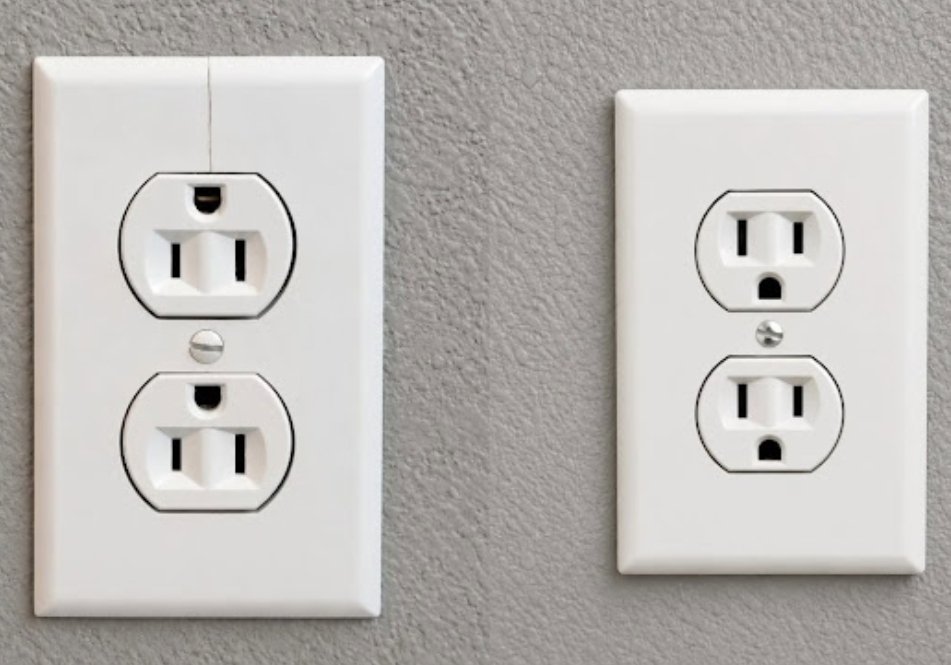
Have you ever noticed that some wall outlets in your home or office are installed upside down? This unconventional installation may raise eyebrows and spark curiosity. In this article, we will delve into the reasons behind this practice, explore the implications of outlet orientation, and discuss best practices for electrical outlet placement. By shedding light on why some wall outlets are installed upside down, we aim to provide valuable insights for homeowners, electricians, and DIY enthusiasts alike.
The Basics of Wall Outlet Configuration
Before we explore the specifics of upside-down outlet installation, it’s essential to understand the basics of wall outlets and their configurations. A wall outlet, also known as a receptacle, allows electrical devices to connect to the electrical system of a building. They typically have a straightforward design: two vertical slots for standard plugs and a grounding hole. However, the orientation of these outlets can vary based on several factors.
Standard Orientation vs. Upside Down
The standard orientation for a wall outlet is with the two vertical slots positioned at the top and the grounding hole at the bottom. In this configuration, the plugs are generally inserted with the prongs facing downward. However, in some installations, especially in residential buildings, you may find outlets installed upside down, where the slots are positioned with the grounding hole at the top.
Understanding the difference between these orientations is crucial because it can affect safety and functionality. Residential electricians often debate the pros and cons of each approach. Here are some common scenarios where upside-down outlet installation may occur:
- Safety Considerations: In certain circumstances, upside-down outlets can minimize the risk of accidental electrocution, particularly in areas where water, such as kitchens and bathrooms, is present.
- Child Safety: For homes with young children, having the outlet installed upside down may deter curious toddlers from trying to insert objects into the openings by presenting the ground hole at the top.
- Aesthetic Preferences: Some homeowners or interior designers may prefer the look of upside-down outlets for visual consistency with light switches or in particular room designs.
The Rationale Behind Upside Down Outlet Installation
Addressing Safety Concerns
Electricians and safety codes prioritize safety when installing electrical outlets. One of the significant advantages of upside-down outlets is related to their placement within areas that are prone to moisture. When the grounding hole is at the top, any potential winding of water (such as splashes) can run away from the prongs. This orientation can reduce the risk of water entering the outlet, thus enhancing the overall safety of the electrical installations.
Child Safety Features
For parents and guardians, ensuring a safe living environment is paramount. Installing outlets upside down can serve as a safety measure by placing the higher grounding slot at the top, making it harder for inquisitive children to insert foreign objects into the outlet. While safety covers are the most effective solution for childproofing, this simple design choice can also contribute to reducing risk.
Improving Accessibility
Another benefit of installing a wall outlet upside down is related to accessibility, particularly for individuals with disabilities or mobility challenges. Depending on the specific layout of a room, this orientation can facilitate easier insertion of plugs, especially those that are bulky or designed with unique shapes. Electricians may choose this configuration to promote ease of use in certain environments.
Common Misconceptions About Outlet Orientation
Despite the advantages discussed, many people hold misconceptions regarding upside-down outlet installation. Below are some common misunderstandings and the truths that refute them:
Misconception 1: Upside Down Outlets are Unsafe
Many individuals believe that installing an outlet upside down is inherently dangerous; however, this is not necessarily true. As previously mentioned, the positioning of the ground above the prongs can sometimes enhance safety in situations involving moisture.
Misconception 2: Outlets Must Always Follow a Standard Orientation
While there are standard practices in the electrical industry, it’s crucial to consider the specific needs and design preferences of a home or commercial space. Orientation can deviate based on safety, accessibility, or aesthetics, and electricians are trained to make these considerations.
Misconception 3: Upside Down Outlets Will Cause Electrical Malfunctions
Another concern among homeowners is that upside-down installation could lead to malfunctions or inconsistent performance. However, the electrical current flows through the outlet similarly regardless of its position. Thus, whether installed traditionally or upside down, functionality remains intact.
Best Practices for Outlet Installation
Whether you are remodeling your home, updating electrical systems, or building from the ground up, here are some best practices for wall outlet installation:
- Follow Local Building Codes: Always consult local electrical codes and regulations when installing outlets. Compliance ensures safety and functionality while upholding legal standards.
- Consider Room-Specific Needs: Tailor outlet placement based on the orientation and usage of the space. For example, in kitchens and bathrooms, prioritize outlets that emphasize safety.
- Prioritize Accessibility: Ensure that outlets are positioned in a manner convenient for all users, including those with mobility challenges.
- Seek Professional Help: If you are unsure about outlet orientation, it is advisable to consult with a licensed electrician. Their expertise can mitigate risks associated with improper installations.
Conclusion: The Thoughtful Choice of Outlet Orientation
The installation of upside-down wall outlets may perplex many homeowners and passersby, yet it serves practical purposes that can enhance safety and accessibility. Understanding the rationale and benefits behind this practice can help mitigate misconceptions and allow for more informed decisions regarding electrical installations. When considering the installation of wall outlets, especially in unique settings such as homes with small children or areas prone to moisture, think about the benefits of upside-down installations.
As electrical standards continue to evolve, it’s important to remain informed about best practices and local regulations in outlet installation. Ultimately, whether you choose standard or upside-down outlets, let safety and usability guide your decisions in creating efficient and secure living spaces.