
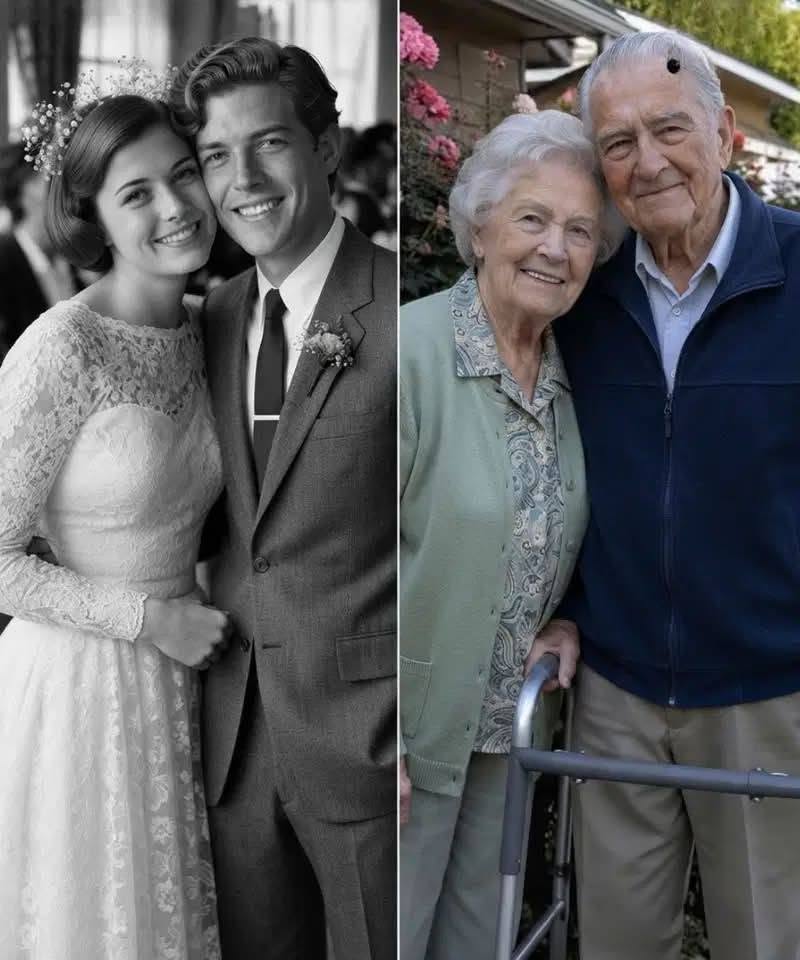
Understanding Loss: Navigating Life After 69 Years of Marriage
Life after the end of a long marriage can be profoundly challenging. For those who, like many, have spent decades with their partners, the adjustment can be overwhelming. In this article, we will explore the emotional journey many face when they experience the loss of a spouse after many years of marriage, such as in the poignant case of “After 69 Years of Marriage My Husband Left Me.” We’ll delve into the aspects of grief, rediscovery of self, and practical steps one can take to cope during this difficult phase.
The Depth of Long-Term Partnerships
Spending nearly seven decades with someone builds a deep connection that is often difficult to describe. Couples share countless memories, growth experiences, and life transitions together. This bond becomes a fundamental part of one’s identity. When a partner passes away, especially after such an extensive period, it can feel as if a piece of oneself has been lost.
The Emotional Impact of Loss
The death of a spouse is not just about losing a loved one; it is also about losing a part of one’s own history and identity. Here are some key emotional responses that one may encounter:
- Grief: The initial phase often includes intense feelings of sorrow, pain, and heartache.
- Confusion: After so many years together, individuals may find themselves unsure of how to navigate life alone.
- Regret: Thoughts may surface about unspoken words or unresolved issues within the relationship.
- Relief: In some cases, if illness was prolonged, individuals may also feel a sense of relief that their partner is no longer suffering.
Recognizing these emotional stages can be an essential part of the healing process.
Rediscovering Identity Post-Marriage
After losing a spouse, many individuals face the daunting task of rediscovering their identity outside of the marriage. It is common to have invested much of oneself into the partnership. Thus, taking time to explore who you are individually can lead to healing and personal growth.
Finding New Interests and Hobbies
Engaging in new activities can be a beneficial way to fill the void left by a partner’s absence. Consider exploring the following avenues:
- Joining Clubs or Organizations: Explore local clubs or groups that align with personal interests, be it books, gardening, or art.
- Volunteering: Giving back to the community can provide a sense of purpose and connection.
- Pursuing Education: Taking classes or attending workshops can spark creativity and provide new skills.
Reconnecting with passions or discovering new ones can revitalize your sense of self and offer new perspectives on life.
Forming Support Networks
Creating or maintaining a support system is vital during this transitional period. Friends, family members, or support groups can be invaluable. Consider the following options:
- Joining Support Groups: Sharing experiences with others who understand can provide comfort and validation.
- Reconnecting with Old Friends: Reaching out to friends from different stages of life can broaden your social network.
- Seeking Professional Help: A therapist specializing in grief can provide essential tools for coping with loss.
These networks can provide emotional stability and community during a time of upheaval.
Practical Steps to Cope with Loss
Besides emotional adjustments, there are practical steps that can ease the transition to life after a long marriage. Organizing and managing responsibilities can alleviate stress and create a sense of control.
Managing Finances
After losing a spouse, financial situations may change significantly. Here are some steps to help manage this transition:
- Assess Your New Financial Situation: Evaluate your income, expenses, and any changes to financial assets.
- Consult a Financial Advisor: Professional advice can be invaluable in planning for the future.
- Budgeting: Establish a new budget to ensure financial stability moving forward.
Understanding your financial landscape is crucial to regain control and peace of mind.
Maintaining Health and Well-being
One’s physical and mental health can take a hit after the loss of a spouse. Here are some tips to maintain well-being:
- Regular Exercise: Physical activity can boost mood and overall health.
- Healthy Eating: Proper nutrition is essential for both physical and mental health.
- Mindfulness and Meditation: Practices that promote relaxation can significantly reduce stress levels.
Taking care of your health should be a priority as it directly impacts your ability to cope with changes.
Finding Meaning and Moving Forward
Eventually, it is essential to find ways to create new meaning in life post-marriage. This process may look different for everyone, but here are several avenues to consider:
Engaging in New Relationships
While it may seem daunting, eventually exploring new relationships can be fulfilling. Whether they be friendships or romantic connections, opening yourself to new possibilities can be enriching. Consider:
- Dating Again: If comfortable, exploring dating can rekindle feelings of companionship and joy.
- Joining Activities with Others: Shared experiences can foster connections and friendships.
Creating Memorials and Keepsakes
To honor the memory of a spouse, creating memorials can offer a therapeutic outlet. Consider ways to keep their memory alive in your daily life:
- Creating a Memory Scrapbook: Collect memories, photos, and stories to celebrate your life together.
- Planting a Tree or Garden: A living symbol of your love can serve as a beautiful reminder.
Engaging in these activities can help transition from grief to celebrating a meaningful legacy.
Conclusion
The journey after losing a husband of many years is filled with complexities, challenges, and opportunities for growth. Navigating through grief, rediscovering one’s identity, managing life’s practical aspects, and finding new meaning can be a path towards healing. By embracing new experiences, cultivating a strong support network, and prioritizing well-being, individuals can begin to create a fulfilling life even after enduring such profound loss. Remember that healing is a gradual process, and it’s perfectly fine to seek help as you move forward into this new chapter of life.