
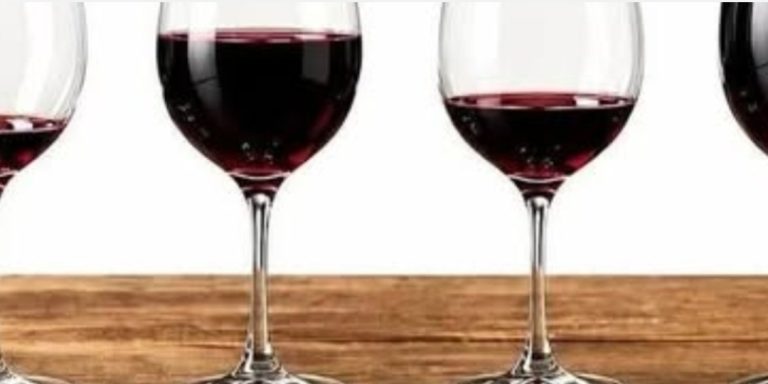
The Great Wine Pouring Mystery: Which Glass is Filled Correctly?
When it comes to serving wine, the question often arises: “Which glass is filled correctly?” Beyond mere aesthetics, the way you pour wine significantly impacts its aroma, taste, and overall drinking experience. This article dives deep into the nuances of wine serving etiquette, the types of wine glasses, and the science that governs how we enjoy our favorite vintages.
Understanding Wine Glass Types
Before we can answer the pressing question of how to fill a glass correctly, it’s essential to understand the different types of wine glasses available. Each style is designed to enhance specific wine varieties.
Types of Wine Glasses and Their Uses
- Red Wine Glasses: Typically larger with a wide bowl, red wine glasses allow for greater aeration to enhance the wine’s aroma.
- White Wine Glasses: Usually narrower than red wine glasses, these are designed to keep white wines chilled for longer periods and focus the floral and fruit aromas.
- Champagne Flutes: Tall and narrow, champagne flutes help to preserve the bubbles and direct the aromas to the nose.
- Port Glasses: Smaller and often with a tapered top, these glasses are designed for sipping sweet fortified wines.
How to Fill a Wine Glass Correctly
Now that you are familiar with the various types of wine glasses, it’s time to learn the mechanics of filling them correctly. Pouring wine might seem like an effortless task, but there are established guidelines that can elevate your wine-serving game.
The Ideal Pour Level
One of the most commonly asked questions when pouring wine is: “How full should I fill the glass?” The answer lies in the ideal pour level. A general rule of thumb is to fill the glass to one-third of its capacity. This provides enough space for the wine to breathe, allowing aromas to escape and creating a better tasting experience.
Pouring Techniques
To achieve that perfect pour, follow these key techniques:
- Hold the Bottle Correctly: Grip the bottle at the base or neck, ensuring your hand doesn’t touch the pouring spout.
- Slide Finger to the Pouring Edge: When pouring, tilt the bottle slightly, allowing the wine to flow smoothly into the glass.
- Stop Before Overflowing: As you approach the desired level, pause to allow the wine to settle before filling any further.
The Science Behind Wine and Glass Shape
Understanding the science of how wine interacts with the glass can enhance both the aesthetic and sensory experience. The shape of a wine glass affects how aromas concentrate and how the wine’s taste is perceived on the palate.
Aroma Concentration
The curvature of a wine glass helps to capture the wine’s bouquet. A wider bowl allows for more air contact, enhancing the bouquet of red wines, while a narrower rim on white wine glasses helps to funnel delicate scents to the nose. This is essential because our sense of smell contributes significantly to how we perceive taste.
Taste and Perception
The height and width of a glass influence the direction and intensity of the wine, affecting how it touches the palate. For example, a red wine glass that opens wide at the rim allows a broader surface area for the wine to spread across the tongue, enhancing the tasting experience.
Wine Serving Etiquette
As with any activity, there is an element of etiquette involved in serving wine. Knowing how to pour wine correctly not only shows respect for the wine itself but also enhances the overall dining experience.
The Role of the Host
If you’re hosting an event, it’s your responsibility to ensure that your guests have the best experience. This includes choosing the right glasses, pouring the correct amount of wine, and being attentive to your guests’ needs.
Serving Guests
When serving guests, always refill their glasses only up to one-third, making sure they have enough room to enjoy the wine’s aromas. If a guest is unfamiliar with the wine, offering a brief description of the wine’s flavor profile or serving temperature can enhance their appreciation.
Common Mistakes When Pouring Wine
Even seasoned hosts can make mistakes when pouring wine. Here are some common pitfalls to avoid:
- Overfilling the Glass: As mentioned earlier, filling a glass too much restricts airflow and diminishes aroma.
- Mixing Glass Types: Using inappropriate glasses can affect the wine’s presentation. Always use the appropriate glass for the wine type.
- Not Allowing for Proper Aeration: Young red wines often need time to breathe. Make sure to open the bottle and let it sit before pouring.
- Ignoring Temperature: Serving wine at the wrong temperature can mask its flavors. Ensure white wines are chilled and reds are served slightly below room temperature.
Conclusion: Elevating Your Wine Experience
Answering the question “Which glass is filled correctly?” leads to a richer understanding of wine serving practices. By mastering the art of pouring wine, selecting appropriate glassware, and adhering to etiquette, you can significantly enhance not only your own experiences but also those of your guests.
Whether you are hosting an elegant dinner or enjoying a casual gathering, these guidelines will help ensure that each pour is a celebration of flavor and aroma, ultimately making your wine experience unforgettable.