
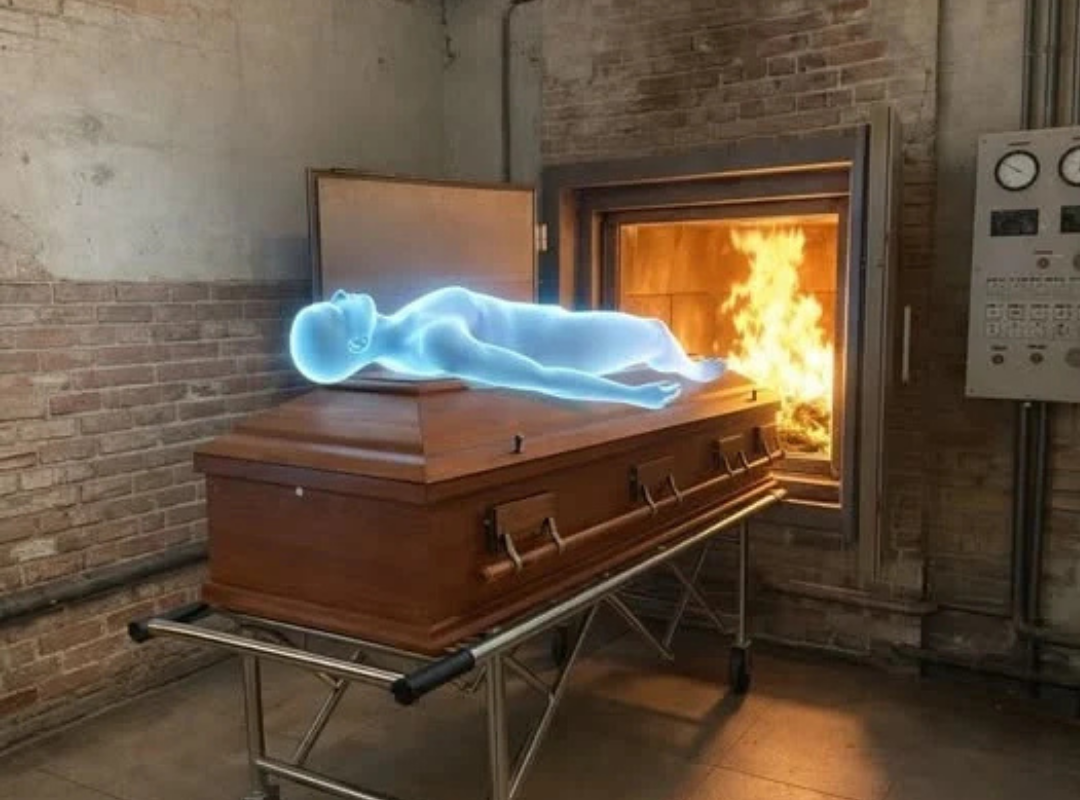
The Sin of Cremation: What the Bible Actually Says
As society evolves, many questions arise about death and the practices surrounding it. One question that frequently surfaces is whether cremation is considered a sin according to the Bible. This topic stirs debate among various religious groups, families, and individuals who are grappling with the loss of loved ones. Understanding the biblical perspective on cremation is crucial for those seeking guidance in making end-of-life decisions. This article aims to provide a comprehensive examination of the biblical view on cremation, the cultural practices surrounding it, and the arguments for and against this method of handling human remains.
Understanding Cremation
Cremation is the process of reducing a deceased body to ashes through high-temperature incineration. While this practice has been around for thousands of years, it has gained substantial traction in recent decades due to its perceived benefits, including cost-effectiveness and environmental considerations. However, individuals often hesitate to pursue cremation due to concerns about its religious implications. Thus, exploring how different faiths, particularly Christianity, view cremation is essential for those facing these difficult decisions.
The Historical Context of Cremation
In ancient times, various cultures adopted different methods for handling the dead, including burial and cremation. The practice of cremation was prevalent among the Romans and Greeks and was often associated with a form of honoring the deceased. However, during the rise of Christianity, burial became the more favored method, as it mirrored Jesus’s own burial and emphasized the belief in resurrection. This historical context can help us understand why many Christians today may question the moral and spiritual implications of cremation.
What the Bible Says About Cremation
One of the critical questions surrounding cremation is whether there is any explicit mention of the practice in the Bible. Contrary to popular belief, the Bible does not explicitly state that cremation is a sin. Instead, it primarily focuses on burial practices through the accounts of various biblical figures. For instance, the bodies of both Moses and Jesus were buried, which has led some to conclude that burial should be the preferred method for Christians.
However, several points must be considered when interpreting the Bible regarding **cremation**:
- No Explicit Ban: There is no direct command in scripture that forbids cremation. This implies that Christians may not need to view cremation as sinful.
- Focus on Resurrection: The Bible emphasizes the resurrection of the dead, which is central to Christian faith. Many theologians argue that whether a body is buried or cremated, God will resurrect the faithful regardless of how their earthly remains were treated.
- Cultural Evolution: Biblical context must be understood in light of historical and cultural practices of the times. As societies evolve, so too do practices like cremation. Today, numerous Christians advocate for cremation based on modern sensibilities and environmental considerations.
Theological Perspectives on Cremation
Diving deeper into the theological perspectives surrounding cremation reveals a spectrum of beliefs within Christianity. While some denominations advocate strict adherence to biblical traditions, others exhibit a more flexible approach.
Denominational Views on Cremation
Different Christian denominations have varying stances on cremation:
- Catholicism: Traditionally, the Catholic Church held a strong preference for burial. However, recent guidelines indicate that cremation is permissible as long as it does not indicate a denial of faith in the resurrection.
- Protestantism: Many Protestant denominations view cremation as an acceptable practice, emphasizing personal choice over traditional constraints.
- Orthodox Christianity: The Orthodox Church typically maintains a preference for burial, believing it symbolizes respect for the natural order of life and death.
These diverse perspectives reflect how interpretations of Scripture and practices evolve along with societal changes, providing individuals with choices that align with both faith and personal preference.
The Emotional and Social Considerations of Cremation
Aside from theological views, emotional and social factors play a significant role in the decision between cremation and burial. Losing a loved one is a profound experience, and the manner in which we handle their remains often reflects our feelings and beliefs.
Grieving and Closure
For some, the act of burying a loved one provides a tangible step in the grieving process, enabling them to visit the grave and create a memorial. In contrast, cremation can offer families the flexibility to hold unique memorial services, incorporating the ashes in various meaningful ways, such as scattering in a cherished location or keeping the urn at home.
The Costs of Cremation vs. Burial
Another practical consideration that often drives families toward cremation is the cost. Traditional burial can involve significant expenses related to the casket, burial plot, and headstone. In contrast, cremation can be more affordable as it typically requires fewer logistics and may offer families more financial discretion in their memorial services.
Making the Decision: What to Consider
Deciding between cremation and burial requires careful thought and discussion among family members. Here are some considerations to guide this important decision:
- Personal Beliefs: Reflect on your beliefs about life after death and how they may influence your choice.
- Family Preferences: Open discussions with family members can facilitate a consensus that respects everyone’s feelings.
- Financial Aspect: Evaluate the costs associated with both options, recognizing the potential financial strain during an already difficult time.
- Memorialization: Consider how you wish to memorialize your loved one, whether through a burial site or a symbolic act involving ashes.
Conclusion: Embracing Individual Choices
Ultimately, the question of whether cremation is a sin in the eyes of the Bible cannot be answered definitively. The absence of an explicit biblical condemnation permits interpretation, enabling personal and family choices without fear of transgressing religious dictates. As society continues to shift, the practices surrounding death and remembrance will likely evolve, emphasizing personal beliefs and values over traditional norms.
Whether you choose cremation or burial, understanding the various factors, including theological, emotional, and financial considerations, can aid in making the most respectful decision for your loved one’s memory and your family’s needs. As you navigate this journey, remember that the heart of the matter lies in honoring the life and legacy of the person who has passed, irrespective of the method chosen for their remains.