
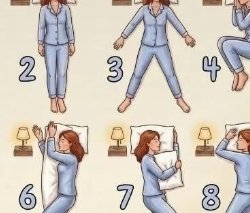
Do You Sleep Like This? Understanding the Implications of Your Sleeping Position
Have you ever woken up and thought about the position you slept in? Your sleeping position may seem trivial, but it can reveal a lot about your personality and even your health. From the traditional back sleeper to the cozy fetal position, each way of sleeping has its own implications. In this article, we will explore various sleeping positions, what they indicate about you, and how they can affect your overall wellbeing.
The Science Behind Sleeping Positions
The way we sleep is largely influenced by our physical comfort and mental state. According to sleep experts, the positions we adopt during sleep can give us insights not only into our psychological makeup but also into potential health concerns. Understanding these positions can help us improve our sleep quality and, in turn, our overall health.
Common Sleeping Positions and Their Meanings
Here are some of the most common sleeping positions and what they might say about you:
- Back Sleeper: If you find yourself sleeping on your back, it may indicate that you are a confident person who tends to have a strong sense of self-worth. However, this position can also lead to issues like snoring or sleep apnea.
- Side Sleeper: Side sleeping is one of the most popular positions. It often signifies that you are a social person who likes to connect with others. This position is linked to a lower risk of sleep-related issues but can sometimes cause hip and shoulder discomfort.
- Fetal Position: Curling up like a fetus is a position that many people adopt. It suggests vulnerability and a desire for protection. People who sleep in this position may often be guarded or sensitive in their waking life.
- Stomach Sleeper: Sleeping on the stomach is less common and can signify a desire to avoid issues or discomfort in waking life. However, this position can place stress on the neck and back, leading to discomfort.
- The Starfish Position: Those who sleep on their back with their arms up may be more altruistic and enjoy helping others. While this position can be beneficial for breathing, it might also contribute to snoring.
How Your Sleeping Position Affects Your Health
While knowing what your sleeping position says about you can be fascinating, it’s equally important to recognize the potential health implications. Here are some health concerns associated with common sleeping positions:
- Back Sleepers: Can experience increased snoring or sleep apnea symptoms due to the airway being partially obstructed.
- Side Sleepers: Generally have fewer health risks, but those who sleep on the left side may experience issues related to heartburn or esophageal reflux.
- Fetal Position: This position can cause joint pain over time, especially if you sleep in a curled position for prolonged periods.
- Stomach Sleepers: More likely to have neck and back pain due to the unnatural twisting of the spine.
- The Starfish Position: May benefit from better breathing but can still present risks for snoring issues.
Tips for Improving Your Sleep Quality
Regardless of your sleeping position, there are several ways to improve your overall sleep quality:
Create a Sleep-Inducing Environment
Your bedroom should be a sanctuary for sleep. Here are some tips to create a conducive environment for quality sleep:
- Keep the room dark: Use blackout curtains to block outside light.
- Maintain a comfortable temperature: The ideal sleeping temperature is around 65°F (18°C).
- Minimize noise: Consider using earplugs or a white noise machine to drown out disruptive sounds.
Invest in a Good Mattress and Pillow
The quality of your mattress and pillow is crucial to support your chosen sleeping position:
- Back Sleepers: Should opt for a medium-firm mattress and a thinner pillow to maintain spinal alignment.
- Side Sleepers: Benefit from a firmer mattress and a thicker pillow to fill the gap between the head and shoulders.
- Stomach Sleepers: Need a softer mattress and a flatter pillow to prevent neck strain.
Establish a Consistent Sleep Schedule
Going to bed and waking up at the same time every day reinforces your body’s natural sleep-wake cycle:
- Try to get at least 7-9 hours of sleep per night.
- Avoid naps longer than 30 minutes during the day.
- Limit caffeine intake in the hours leading up to bedtime.
Understanding the Psychology of Sleeping Positions
Your sleeping position isn’t just a physical phenomenon but also a reflection of your mental state. Psychologists and sleep experts suggest that different positions can symbolize different emotional needs.
The Emotional Implications of Sleeping Positions
Here are some insights into the psychological implications of various sleeping positions:
- Back Sleeper: May indicate self-assurance but can also correlate with feelings of vulnerability at certain times.
- Side Sleeper: Often feels connected to others and desires emotional intimacy.
- Fetal Position: Clearly shows a desire for closeness and comfort, reflecting a protective emotional state.
Changing Your Sleeping Position for Better Health
If you are concerned about your sleeping position, consider making gradual changes. Transitioning from one position to another can take time, but small adjustments can yield significant benefits:
- Use Body Pillows: These can provide support while encouraging you to adopt a healthier position.
- Practice Relaxation Techniques: Engage in yoga or meditative practices before bed to help ease into a more comfortable position.
- Consult a Professional: If you experience persistent pain or discomfort, consider speaking to a sleep specialist or healthcare provider for personalized advice.
Conclusion: The Impact of Sleeping Positions on Life
Your sleeping position is not merely a matter of comfort; it reveals underlying aspects of your personality and can have significant health implications. Whether you are a back sleeper, a side sleeper, or prefer the fetal position, understanding the implications of your chosen position can help you improve your sleep quality and overall health. By creating a sleep-friendly environment and making conscious choices about your sleeping position, you can enjoy better rest and a healthier life.