
The Ultimate Guide to Deveining Shrimp: Why It Matters and How to Do It Right
If you’ve ever cooked shrimp, you might have encountered the term “deveining.” But what exactly is deveining shrimp, and why is it so essential? In this ultimate guide, we’ll explore the significance of deveining shrimp, step-by-step instructions on how to effectively devein them, and tips for handling shrimp safely. Whether you’re cooking for yourself or entertaining guests, knowing how to properly prepare shrimp can greatly enhance your culinary experience and ensure your dishes taste delightful.
What Is Deveining Shrimp?
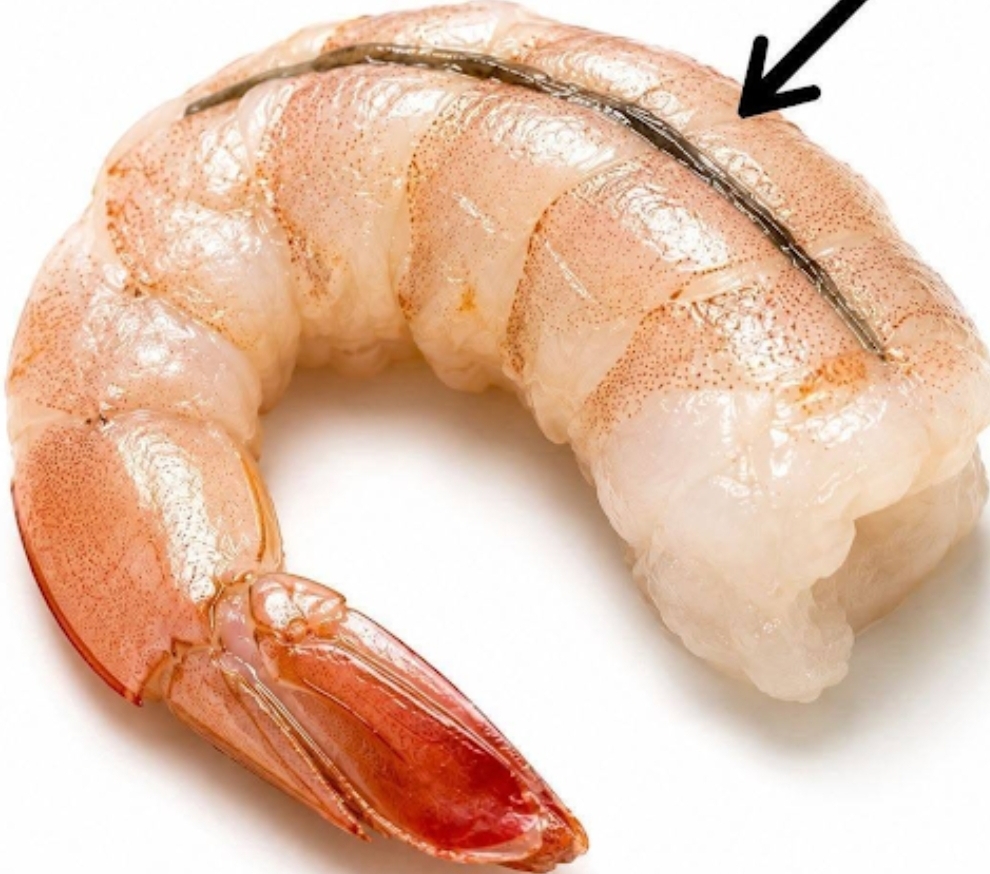
Deveining shrimp refers to the process of removing the dark, sand-like intestinal tract located along the back of the shrimp. Although it is technically safe to eat, many cooks prefer to remove it for aesthetic reasons and to improve the shrimp’s overall flavor. The “vein” can sometimes carry grit and contribute an unpleasant texture, making deveining an essential step in shrimp preparation.
Why Does It Matter?
Understanding why deveining is important can enhance your shrimp dish in several ways:
- Improved Flavor: Removing the intestinal tract can lead to a cleaner, fresher taste. The vein can harbor sand and impurities that might alter the shrimp’s natural flavor.
- Aesthetics: A perfectly deveined shrimp looks more appealing on the plate, showcasing the chef’s attention to detail.
- Food Safety: While it is safe to eat the vein, some individuals prefer to avoid any potential digestive discomfort, especially when serving guests.
The Tools You Need for Deveining Shrimp
Before you start the deveining process, gather the necessary tools to make your task easier and more efficient:
- Sharp Knife: A small, sharp paring knife or a specialized shrimp deveining tool works best.
- Cutting Board: Use a clean, stable surface to cut and devein the shrimp safely.
- Paper Towels: These will help clean your hands and any mess created during the deveining process.
- Bowl of Water: Keep a bowl of water handy for cleaning the shrimp after deveining.
How to Devein Shrimp: Step-by-Step Instructions
Now that you have everything you need, let’s dive into the step-by-step process for deveining shrimp effectively.
Step 1: Choose Fresh Shrimp
Start with fresh, high-quality shrimp. They should be firm to the touch, have a mild saltwater scent, and be free of any discoloration or unpleasant odor. Traditionally, shrimp are sold either with the shell on or already peeled.
Step 2: Rinse the Shrimp
Before you begin deveining, rinse the shrimp under cold running water. This step is crucial as it helps to remove any surface impurities and prepares them for cleaning.
Step 3: Remove the Shell (If Necessary)
If your shrimp still have their shells, you need to remove them first. Using your fingers, peel off the shell from the head end down to the tail. For a more sophisticated presentation, you may want to leave the tail on.
Step 4: Locate the Vein
Once the shell is removed, identify the dark line running along the back of the shrimp. This is the intestinal tract, or vein, that you will need to remove.
Step 5: Make the Incision
Using your sharp knife, make a shallow incision along the length of the shrimp’s back, being careful not to cut too deeply into the flesh. Your goal is to expose the vein without damaging the shrimp.
Step 6: Remove the Vein
With the vein exposed, gently pull it out with your fingers or use the tip of your knife to lift it out. In some cases, the vein may break; make sure to remove any remaining pieces.
Step 7: Rinse Again
After deveining, rinse the shrimp again under cold water to remove any grit or residue. Pat them dry with a paper towel before cooking.
Step 8: Dispose of the Vein
Dispose of the vein properly. While it’s not harmful, it is best to discard it rather than compost it, especially if you’ve been handling raw seafood.
Tips for Deveining Shrimp Like a Pro
Deveining shrimp might seem simple, but following these tips can help you master the technique:
- Practice Makes Perfect: Try deveining a few shrimp to get used to the process. The more you do it, the quicker and more confident you’ll become.
- Use the Right Knife: A small, sharp knife gives you better control. Avoid using a large knife which can make it hard to cut accurately.
- Keep Shrimp Cold: Working with cold shrimp can help maintain their freshness and make them easier to handle.
- Consider Buying Pre-Deveined Shrimp: If you’re short on time or not comfortable with preparing shrimp, consider purchasing frozen or fresh shrimp that have already been deveined.
Deveining Shrimp for Different Cooking Methods
How you devein shrimp can also depend on how you plan to cook them. Here are some common methods and tips:
Grilling or Broiling
For grilling or broiling, deveining shrimp with the shell on can add flavor and moisture. Just make the incision and remove the vein, but leave the shells intact for added protection during cooking.
Boiling or Steaming
When boiling or steaming shrimp, deveining them beforehand ensures that any unwanted flavors are removed, resulting in a cleaner taste. Serve with dipping sauces or in pastas for delicious results.
Sautéing or Stir-Frying
Devein shrimp before sautéing or stir-frying to enhance the dish’s flavor and texture. Slice the shrimp into smaller pieces after deveining to suit your recipe’s needs.
Conclusion
Deveining shrimp is a crucial step that can significantly elevate your cooking experience and impress guests with exquisite flavors and presentation. With the right tools, techniques, and understanding of the process, you can prepare shrimp like a professional chef. Whether you choose to enjoy your shrimp in a classic scampi, a savory shrimp cocktail, or as part of a fresh seafood salad, the effort you put into deveining will surely pay off. Happy cooking!