
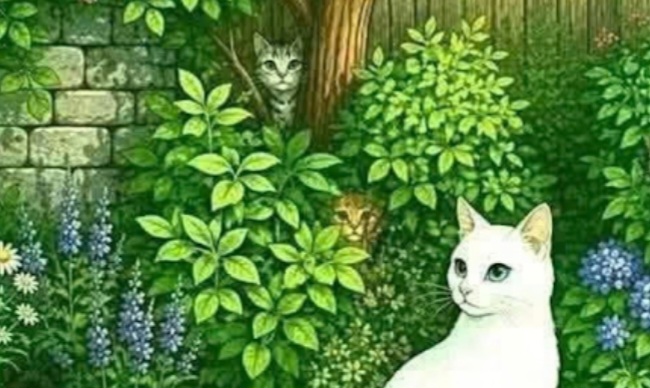
The Enigmatic Nature of Cats: Unraveling the Mystery of Their Disappearing Acts
Cats are enigmatic creatures often steeped in mystery and charm. For cat lovers and pet owners alike, the question often arises: Why do cats seem to vanish and hide at unexpected times? This article delves deep into the habitual behavior of cats, explores their hiding tendencies, and presents insightful tips for understanding and maintaining a harmonious relationship with your feline friend. Whether you’re a seasoned cat owner or a curious onlooker, this comprehensive guide will enhance your appreciation for these elusive companions.
Understanding the Feline Instincts
To fully grasp why cats hide, it’s essential to understand their natural instincts. Felines are designed for survival, and their behaviors often reflect deep-seated evolutionary traits.
Hunting Instincts
Cats are natural hunters, and even though domesticated cats have easy access to food, their instincts remain intact. Hiding serves as an effective strategy for stalking prey. When a cat hides, they can observe their environment without drawing attention, which is a skill honed from ages of evolution. This instinct manifests in several ways:
- Concealment: Cats will often seek out secluded spots where they can blend into their surroundings.
- Patience: Hiding allows them to wait for the perfect moment to pounce, a practice that continues even in play.
- Preparation: In the wild, hiding helps them prepare for potential threats while assessing their environment.
Stress and Safety
Another reason cats hide is due to stress. New environments, loud noises, and changes in routine can make your cat feel anxious. Providing a safe haven where they can retreat is crucial in helping them cope. Understanding the triggers that lead to stress in your cat can also prevent excessive hiding.
Common Hiding Spots for Cats
If you’ve ever wondered where your cat disappears to, here are some popular hiding spots that feline friends are naturally drawn to:
- Under Furniture: Cats love to dart under couches, beds, and chairs, giving them a sense of security.
- In Boxes: Cardboard boxes provide a perfect hiding place and a great source of entertainment.
- Closets: They enjoy the dark, confined spaces that closets offer, allowing them to hide and feel safe.
- Beneath Blankets: Soft blankets provide comfort and warmth, making them ideal for a cozy hideout.
Encouraging Positive Hiding Behaviors
While it’s natural for cats to seek out hiding spots, there are ways to encourage this behavior in a healthy and positive manner. Below are some strategies for creating an environment that respects their need for privacy while also keeping them safe:
Designated Safe Spaces
Create a designated area in your home where your cat can retreat when they feel the need to hide. This space can include a cozy bed, perch, or even a small cat tree placed in a quiet corner of a room.
Interactive Playtime
Engaging your cat in regular interactive playtime helps them exercise their hunting instincts and reduces anxiety. Utilize toys that mimic prey, such as feather wands and laser pointers, to drive their natural impulses to chase and hide.
Maintaining a Calm Environment
Reducing stressful stimuli, such as loud noises or sudden changes in their environment, can help alleviate their inclination to hide. Ensure they have a tranquil space free from disturbances, allowing them to feel secure in their home.
The Impact of Hiding on Cat Health
Understanding your cat’s hiding behavior is not only about satisfying curiosity; it’s also crucial for their health. While occasional hiding can be normal, excessive hiding may signal underlying issues.
Signs of Distress
If your cat is hiding far too much or appears to be withdrawn, it could be a sign of stress or illness. Some potential signs to look out for include:
- Loss of appetite.
- Altered behavior or aggression.
- Changes in litter box habits.
- Excessive grooming or lethargy.
Should you observe any of these behaviors, consulting your veterinarian is recommended to ensure your cat’s health and wellbeing.
Conclusion: Embracing the Mystery of Cats
Cats are wondrous beings with complex personalities and instincts. Understanding their need to hide opens a window into the rich tapestry of their behavior. Respecting their instincts and providing them with appropriate spaces not only enhances their quality of life but also strengthens the bond you share.
By fostering an enriched environment, engaging them in play, and keeping an eye on their wellbeing, you can turn the mystery of your feline friend’s hidden nature into a source of joy and connection. Celebrate the unique personality of your cat, for within the shadows lies a world of charisma, charm, and cherished companionship.