
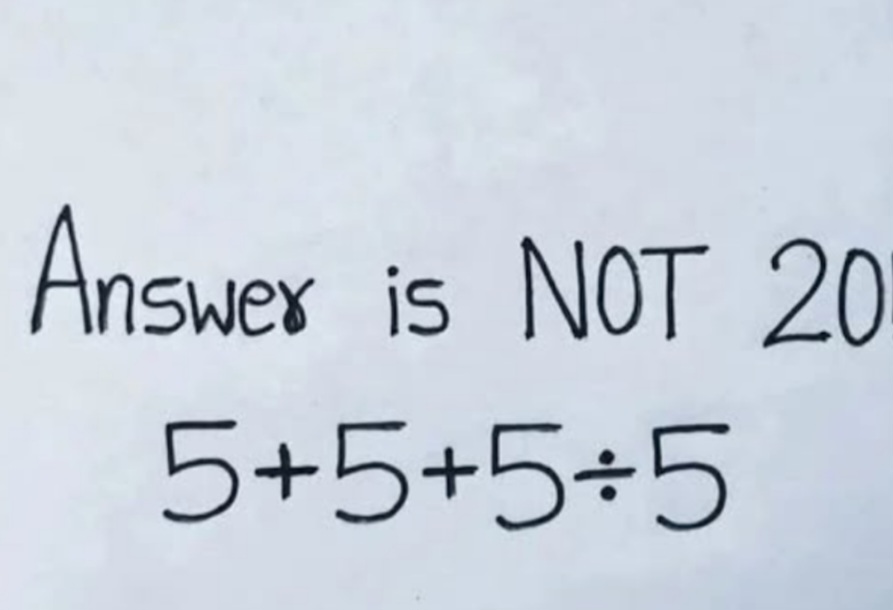
Unraveling the Mystery: Can You Solve It Without Falling for the Trick?
Engaging brain teasers and puzzles are an excellent way to challenge our mental faculties and sharpen our problem-solving skills. The phrase “can you solve it without falling for the trick?” often implies that these tests contain hidden traps designed to mislead the unwary. This article delves into various types of puzzles that present such challenges, equipping you with strategies to recognize and avoid common pitfalls while enhancing your cognitive abilities.
The Nature of Puzzles and Tricks
Understanding Puzzles and Their Structure
Puzzles can take many forms — riddles, logic puzzles, mathematical challenges, and lateral thinking problems, to name a few. Each type is crafted to test different areas of intelligence, such as reasoning, creativity, and analytical thinking. However, the element of a trick can add an extra layer of complexity, as it’s designed to distract from the actual solution.
Common Types of Tricks in Puzzles
- Ambiguity: Statements that can be interpreted in multiple ways, often leading the solver astray.
- Overcomplication: A puzzle might present additional, unnecessary information that complicates the thinking process.
- False Assumptions: Many riddles rely on the solver making assumptions that are intentionally misleading.
- Red Herrings: Elements or clues that divert attention from the main point, designed to confuse the solver.
Strategies for Solving Puzzles Effectively
Think Outside the Box
One of the most effective strategies for solving puzzles, especially those that involve tricks, is to think outside the box. Look at the problem from different angles and consider alternative interpretations. This practice will enable you to spot inconsistencies and navigate through misleading cues.
Break Down the Problem
Breaking down a puzzle into smaller, manageable components is crucial. By analyzing each part individually, you can better understand how they fit together into the larger picture. This method can unveil hidden relationships and clarify the actual problem that needs solving.
Stay Calm and Focused
It’s easy to become frustrated when you encounter a puzzling challenge. However, maintaining a cool demeanor is crucial for effective problem-solving. Taking a step back, breathing deeply, and refocusing your thoughts can help eliminate stress-induced distractions.
Practice Regularly
Like any other skill, puzzle-solving improves with consistent practice. Regularly tackling various types of puzzles will expose you to different strategies and enhance your problem-solving toolkit. Consider seeking out new puzzles daily or subscribing to puzzle magazines or websites for ongoing challenges.
Examples of Trick Puzzles and Their Solutions
Classic Riddles with a Twist
Riddles often contain embedded tricks that may confuse the solver. Here’s an example:
Riddle: “What can travel around the world while staying in a corner?”
Solution: A stamp! This riddle uses ambiguity around the word “corner” to mislead the solver into thinking more figuratively instead of literally.
Logic Puzzles with Hidden Clues
Logic puzzles require careful consideration of all the given data. Here’s a sample puzzle:
Puzzle: Five friends are sitting in a row. Jake is not next to Amy. Lisa sits between Tom and Amy. Who sits at the ends?
Solution: Through systematic elimination and understanding the constraints, you can decipher that Jake must sit at one of the ends. Such puzzles harness red herrings to make you second-guess your arrangements.
Enhancing Your Puzzle-Solving Skills
The Role of Collaboration
Collaboration can significantly enhance your ability to tackle complex puzzles. Working with others exposes you to diverse perspectives and ideas, often leading to innovative solutions that you might not have considered on your own. Gather a group of friends or join puzzle-solving forums to expand your puzzle-solving community.
Utilizing Online Resources
With the advancement of technology, numerous online resources provide a plethora of puzzles and solutions. Websites, apps, and forums dedicated to puzzle enthusiasts can be excellent places to practice your skills, learn new tricks, and discover various styles of puzzles.
The Importance of Mindset
Your mindset can greatly influence your approach to solving tricky puzzles. Adopting a growth mindset, where challenges are viewed as opportunities to learn rather than obstacles, can enhance your resilience in puzzle-solving. Celebrate small victories, and don’t be discouraged by mistakes or setbacks.
Conclusion: Mastering Puzzle Challenges
In conclusion, the journey of solving puzzles riddled with tricks can be as rewarding as it is challenging. By understanding the nature of these puzzles and employing strategic thinking, you can enhance your problem-solving skills significantly. Whether you’re solving riddles, logic puzzles, or engaging brain teasers, remember that practice, collaboration, and a positive mindset are essential tools in your puzzle-solving arsenal. So, can you solve it without falling for the trick? With the right approach, absolutely!