
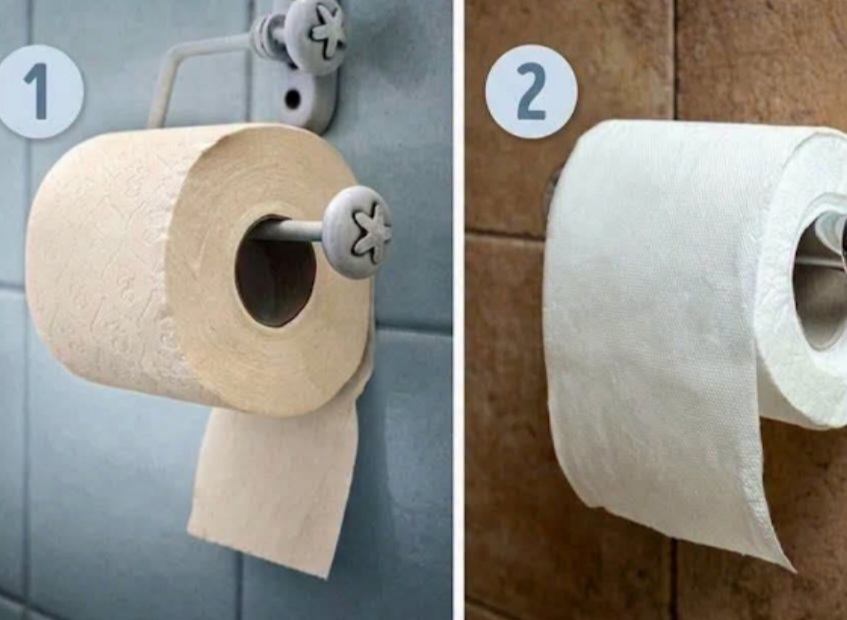
The Great Toilet Paper Debate: A Closer Look at Preferences and Practices
The toilet paper debate has lingered for decades, sparking conversations about the best types, ply counts, and even the ethical implications of production and sourcing. This article dives deep into “The Great Toilet Paper Debate,” exploring consumer preferences, environmental impact, and alternative options to traditional toilet paper. With consumers becoming increasingly eco-conscious, understanding the full scope of this debate can help inform better choices that align with both personal preferences and sustainability goals.
Understanding the Importance of Toilet Paper
Toilet paper is a household staple for millions worldwide, serving an essential role in personal hygiene. It is found in various forms, from standard rolls to wipes and even bidet options. As discussions surrounding hygiene, sustainability, and cultural practices continue to evolve, the debate over toilet paper reflects broader societal values. Here, we will analyze its significance and the factors shaping consumer choices.
The Role of Toilet Paper in Hygiene
The primary function of toilet paper is to provide cleanliness and comfort after using the restroom. Its use dates back to ancient civilizations, but the modern roll was popularized in the 19th century. While options like bidets and washcloths exist, many people still prefer traditional toilet paper for convenience and ease of use.
Varieties of Toilet Paper: Which is Best?
When it comes to selecting toilet paper, options abound. Consumers can choose from various types, each with its unique features:
- Ply Counts: Toilet paper typically comes in single, double, and even three-ply varieties. Higher ply counts often translate to greater softness and absorbency.
- Materials: Traditional toilet paper is made from virgin wood pulp, but recycled and bamboo options are gaining popularity. These alternatives may reduce environmental impact.
- Fragrance vs. Unscented: Some prefer scented toilet paper for a refreshing experience, while others opt for unscented varieties to avoid irritation.
- Eco-Friendly Options: Many brands now focus on producing biodegradable and compostable toilet paper, addressing growing environmental concerns.
The Environmental Impact of Toilet Paper Production
The production of toilet paper raises significant environmental questions. The standard manufacturing process often involves deforestation, excessive water usage, and chemical treatments. This impact is prompting an increasing number of consumers to rethink their toilet paper choices. Let’s take a closer look at these environmental factors.
Deforestation and Resource Consumption
Most traditional toilet paper is sourced from trees, leading to deforestation and habitat destruction. In addition, the production process consumes large amounts of water and energy. Consumers are becoming increasingly informed about the sources of their products, leading to a demand for more sustainable options.
Eco-Friendly Alternatives to Traditional Toilet Paper
With growing environmental concerns, many consumers are turning to eco-friendly toilet paper options:
- Recycled Toilet Paper: Made from post-consumer waste, recycled toilet paper can drastically lower the industry’s impact on forests.
- Bamboo Toilet Paper: Bamboo is a fast-growing grass that does not require deforestation. It is both biodegradable and softer than traditional paper.
- Bidets: While not a direct substitute for toilet paper, bidets can significantly reduce or even eliminate the need for toilet paper, offering a more sustainable hygiene option.
Social and Cultural Considerations in Toilet Paper Use
Across the globe, cultural practices surrounding toilet hygiene vary widely. Factors like cleanliness, convenience, and social norms influence how people approach toilet hygiene:
Cultural Differences in Toilet Hygiene
In many Western countries, toilet paper is the standard choice, whereas in parts of Asia and the Middle East, bidets or water-based cleansing methods are preferred. These cultural preferences often dictate market offerings and consumer habits.
The “Great Toilet Paper Shortage” of 2020
The COVID-19 pandemic illuminated the complexities of toilet paper consumption. Panic buying led to a *Great Toilet Paper Shortage,* which highlighted just how integral this product is to modern life. Consumers quickly realized that reliance on a single hygiene product can lead to supply chain vulnerabilities. Subsequently, a large number turned to alternative options and even DIY solutions.
Consumer Preferences: What Drives Decisions?
Understanding what drives consumers’ decisions in the toilet paper debate requires a look into various influencing factors, including comfort, price, environmental footprint, and brand loyalty.
Comfort and Softness Preferences
For many, the softness of toilet paper is a key deciding factor. Consumers often seek out brands advertised as “soft” or “luxurious,” which tend to evoke feelings of comfort and cleanliness. The feel of toilet paper against skin can make a huge difference, leading consumers to remain loyal to specific brands.
Cost Considerations
Price remains a significant factor in consumer choice. While eco-friendly options are often seen as pricier, many consumers are willing to invest in products they believe are better for their health and the planet. Bulk buying options can also influence purchasing behavior, especially for families.
Brand Loyalty and Marketing Influence
Brand loyalty plays a significant role in toilet paper purchases. Advertisements often highlight product attributes like softness, strength, and absorbency, aiming to sway consumer opinion. Marketing strategies can create a sense of connection with the audience and build trust in a product.
Conclusion: Navigating the Great Toilet Paper Debate
The Great Toilet Paper Debate encompasses a blend of personal preference, environmental consciousness, and cultural attitudes. As society continues to evolve, so too will the conversation surrounding toilet paper. With an increase in eco-conscious consumers and a growing awareness of ethical sourcing, it’s essential for brands to adapt to meet these new demands.
Choosing the right toilet paper is not just a matter of comfort; it also reflects individual values surrounding sustainability and consumption. As consumers weigh their options, the impact of their choices can help drive change towards a more sustainable and responsible future.