
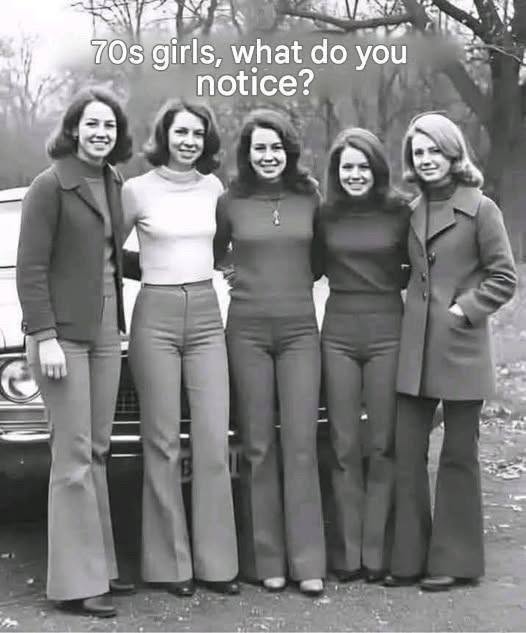
Exploring the Vibrant Style of the 1970s: Key Details That Define an Era
The 1970s was a decade of profound change in culture, fashion, politics, and art. From the rise of disco to the explosion of vibrant colors and innovative designs, the 1970s fashion and lifestyle had a significant impact that can still be felt today. Whether you are looking to understand the cultural significance of this decade or simply seeking inspiration for a retro-themed event, this article delves into the defining details of the 1970s that immediately catch the eye. We will explore fashion trends, music influences, iconic designs, and much more, providing a comprehensive view of what made this era so remarkable.
Iconic Fashion Trends of the 1970s
The fashion landscape of the 1970s was as diverse as its cultural phenomena. Key elements of 1970s style included bold patterns, bright colors, and unique silhouettes. Let’s dive into some of the most prominent trends that characterized this transformative decade.
Bell-Bottoms: A Statement of Freedom
One of the most recognizable fashion statements of the 1970s was the pair of bell-bottom jeans. Defined by their fitted waist and flared leg, these jeans could be worn by both men and women. The popularity of bell-bottoms was significantly bolstered by figures like Janis Joplin and Jimmy Hendrix, who embraced the bohemian lifestyle. With various fabric choices ranging from denim to velvet, bell-bottoms became a symbol of youthful rebellion.
Maxi Dresses: Elegance Meets Comfort
Another major trend was the maxi dress, which epitomized the 1970s’ fusion of comfort and style. With their long, flowing silhouettes, these dresses were designed to provide ease of movement while still being fashionable. Often adorned with floral patterns and vibrant prints, maxi dresses were popularized by celebrities like Farrah Fawcett and were a staple at music festivals.
Platform Shoes: Elevated Styles
No exploration of 1970s fashion would be complete without mentioning platform shoes. These eye-catching footwear options added both height and style, featuring thick soles that complemented the bell-bottoms and maxi dresses of the era. Worn by both genders, platform shoes became synonymous with the disco culture, as they allowed for extravagant dancing on nightclub floors.
The Cultural Beat of the 1970s: Music and Influence
Music in the 1970s was as revolutionary as its fashion, introducing genres such as disco, punk rock, and funk that shaped the cultural landscape. Let’s take a closer look at how these musical movements influenced the 1970s aesthetic.
Disco Fever: The Soundtrack of a Generation
The rise of disco music dramatically influenced not only the way people danced but also how they dressed. Clubs like New York’s Studio 54 became epicenters of disco culture, with people donning shiny fabrics, sequins, and daring cuts. Artists like Donna Summer and the Bee Gees dominated the charts, and their influence can be seen in the glitzy clothing and energetic dance styles of the decade.
Punk Rock: Rejecting Mainstream Norms
In stark contrast to disco, the punk rock movement emerged as a form of rebellion against mainstream culture. Defined by its raw sound and DIY aesthetic, punk fashion featured ripped clothing, leather jackets, and unconventional hairstyles. Bands like the Sex Pistols and The Ramones not only carved their niche in music history but also impacted the fashion choices of a generation that sought to break away from traditional norms.
Interior Design: A Reflection of 1970s Culture
The design trends of the 1970s extended beyond fashion, influencing home decor and architecture. The decade was marked by a combination of lush colors, eclectic styles, and innovative concepts. Here’s a closer look at the distinctive elements that defined the 1970s interior space.
Earth Tones and Bold Patterns
Embracing a connection with nature, the interior design of the 70s often featured earth tones such as browns, greens, and yellows. Popularized by designers like Marcel Breuer, furniture pieces were frequently made using natural materials, enhancing the organic feel of the home. Additionally, bold patterns with geometric shapes were used for wallpaper and upholstery, reflecting the vibrant spirit of the era.
The Open Concept Space
Architecturally, the 1970s saw a shift towards more open concept homes. The traditional compartmentalized living spaces were replaced with designs that emphasized openness and fluidity. This new layout allowed for greater interaction among family members and helped create an inviting environment. The incorporation of innovative materials like glass and steel further revolutionized home design.
Iconic Brands and Advertising of the 1970s
The 1970s was also a significant decade for brand development and advertising strategies. Creative marketing emerged, pushing companies to innovate in how they communicated with consumers. Let’s explore some major brands that left a lasting legacy and their advertising techniques during this era.
Food and Beverage: From Processed to Natural
Food brands in the 70s began to shift their focus from processed foods to natural and health-conscious products. Companies like Nature Valley and Quaker Oats capitalized on the growing demand for healthier options, with advertising that emphasized organic and wholesome qualities. The “health food” craze had begun, marking a significant change in consumer preferences.
The Rise of Athletic Wear
As fitness awareness soared during this decade, brands like Nike and Adidas began to dominate the athletic wear market. Their advertisements focused on the importance of an active lifestyle, aligning with the broader culture of health and fitness that came to characterize the 70s ethos. This push not only brought about stylish athletic apparel but also helped to popularize sports and exercise as mainstream activities.
Contemporary Influence: The 1970s in Modern Culture
The 1970s continues to influence contemporary culture in various ways, from fashion runways to film and music. The retro aesthetic has made a notable comeback, intertwining with modern trends and reinventing the past for new audiences.
Fashion Resurgence
Today, elements of 1970s fashion regularly reappear on runways and in stores. Designers often draw inspiration from the iconic styles of bell-bottoms, maxi dresses, and platform shoes, reinterpreting them with modern twists. Vintage boutiques have also become popular, with many seeking authentic items from this era, proving the lasting appeal of 1970s fashion.
Film and Television Revivals
Television shows and films frequently reference the stylistic choices of the 1970s, whether through costume design or the music selected for soundtracks. Examples like the series Stranger Things and movies such as Once Upon a Time in Hollywood bring back the cultural and aesthetic details of this vibrant decade, engaging both nostalgic viewers and new generations.
Conclusion: The Lasting Impact of the 1970s
The 1970s was an era marked by creativity, expression, and a unique blend of cultural influences. From the fashion choices to the music genres, the details of this decade remain deeply embedded in the fabric of modern society. Understanding the defining features and cultural significance of the 1970s not only provides insight into the past but also enriches our appreciation of the present. As we celebrate the individuality and innovation of this remarkable decade, we recognize that its impact will continue to resonate for many years to come.