
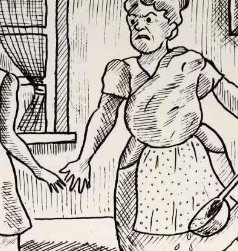
If You Can Spot the Hidden Donkey: A Fun Challenge for the Observant
Are you someone who prides themselves on having a sharp eye? If so, the challenge of spotting hidden objects may be right up your alley! The quest to find the hidden donkey in various puzzles has captivated many. In this comprehensive article, we will dive deep into the intriguing world of hidden object challenges, the psychology behind them, and tips on how to improve your observation skills.
The Allure of Hidden Object Games
Hidden object games and puzzles have a unique charm that draws in players of all ages. The primary goal is to locate a specific object within a cluttered scene, often filled with vibrant details and distractions. These games offer not only entertainment but also mental stimulation. Here are a few reasons why they are so popular:
- Enhances Cognitive Skills: Spotting hidden objects sharpens your ability to focus, boosts your memory, and enhances overall cognitive skills.
- Encourages Mindfulness: The attention to detail required in these games encourages players to be present in the moment, enhancing mindfulness.
- Available Across Platforms: From mobile apps to dedicated puzzle books, hidden object challenges are accessible on various platforms, catering to a wide audience.
The Psychology Behind Spotting the Hidden Donkey
The hidden donkey challenge is not just a test of visual acuity; it’s also a reflection of our cognitive processes. When you attempt to find the donkey, your brain engages in several complex processes:
Visual Perception and Attention
Visual perception is the process through which we interpret sensory information from our surroundings. When navigating a cluttered scene, your brain filters out distractions and focuses on relevant details. This ability varies by individual, impacted by factors like experience, interest in the task, and the complexity of the scene.
Pattern Recognition
Another psychological factor involved in spotting hidden objects is pattern recognition. Humans have evolved to identify patterns quickly, which aids in recognizing familiar shapes and objects. The ability to detect the hidden donkey requires you to notice subtle inconsistencies or familiar outlines within a chaotic arrangement.
How to Improve Your Observation Skills
Are you ready to sharpen your observation skills? Here are some effective strategies to help you enhance your ability to spot hidden objects, including that elusive donkey:
Practice Regularly
Just like any other skill, consistent practice is key to improvement. Engage in hidden object games regularly to familiarize yourself with the types of puzzles and scenes you might encounter. The more you practice, the better you will become at identifying subtle differences and spotting hidden objects.
Pay Attention to Details
Training your brain to look for details is vital. When you start a new puzzle, take a moment to scan the entire scene before focusing on specific areas. This will help you grasp the overall layout, making it easier to detect differences and hidden items later.
Use Different Perspectives
Sometimes, changing the way you look at a scene can make all the difference. Physically shifting your position, or even just changing your mental perspective on what you’re looking for, can help you discover the hidden donkey or any other objects that may have eluded you initially.
Examples of Hidden Object Challenges Featuring the Hidden Donkey
The allure of spotting hidden objects has spawned various visual challenges, with the hidden donkey becoming a beloved feature. Below are a few examples of popular games and puzzles:
- Online Platforms: Websites and apps offer interactive versions of hidden object challenges where you search for the donkey amidst vibrant artwork.
- Printed Puzzles: Puzzle books often contain printed challenges featuring illustrations filled with whimsical characters and the elusive donkey, making for hours of entertainment.
- Social Media Challenges: Short videos or images shared on platforms like Facebook and Instagram often present the hidden donkey for followers to find, encouraging a fun sense of community and competition.
The Benefits of Engaging in Hidden Object Games
Participating in puzzles that challenge you to spot hidden objects like the donkey offers several benefits:
Mind Exercise
Engaging with hidden object games serves as a mental workout, sharpening your focus and analytical thinking. This kind of cognitive activity is essential in combating mental decline as we age.
Stress Relief
Many people turn to puzzles as a way to relieve stress. The immersive nature of focusing on a game diverts attention from daily worries, providing an enjoyable escape.
Social Interaction
Hidden object challenges can be enjoyed solo or with friends and family, making them a great opportunity for social interaction. Sharing your findings or competing to see who can spot the donkey first can lead to laughter and fun memories.
Conclusion: The Journey of Spotting the Hidden Donkey
The challenge of finding the hidden donkey is not just about the end result; it’s about the journey of engaging your mind, refining your observation skills, and having fun. The next time you embark on a hidden object challenge, remember to enjoy the process. With practice and the right mindset, you’ll enhance your ability to spot even the most elusive characters. So, are you ready to test your sharp eye and see if you can spot the hidden donkey?